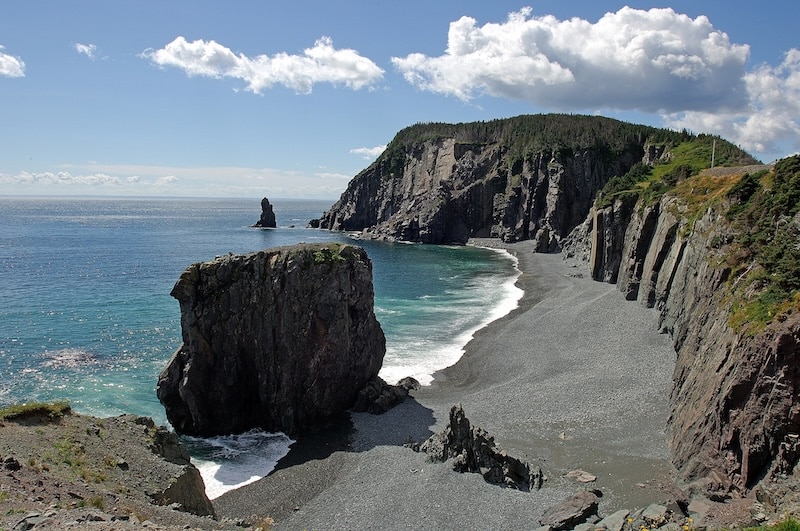
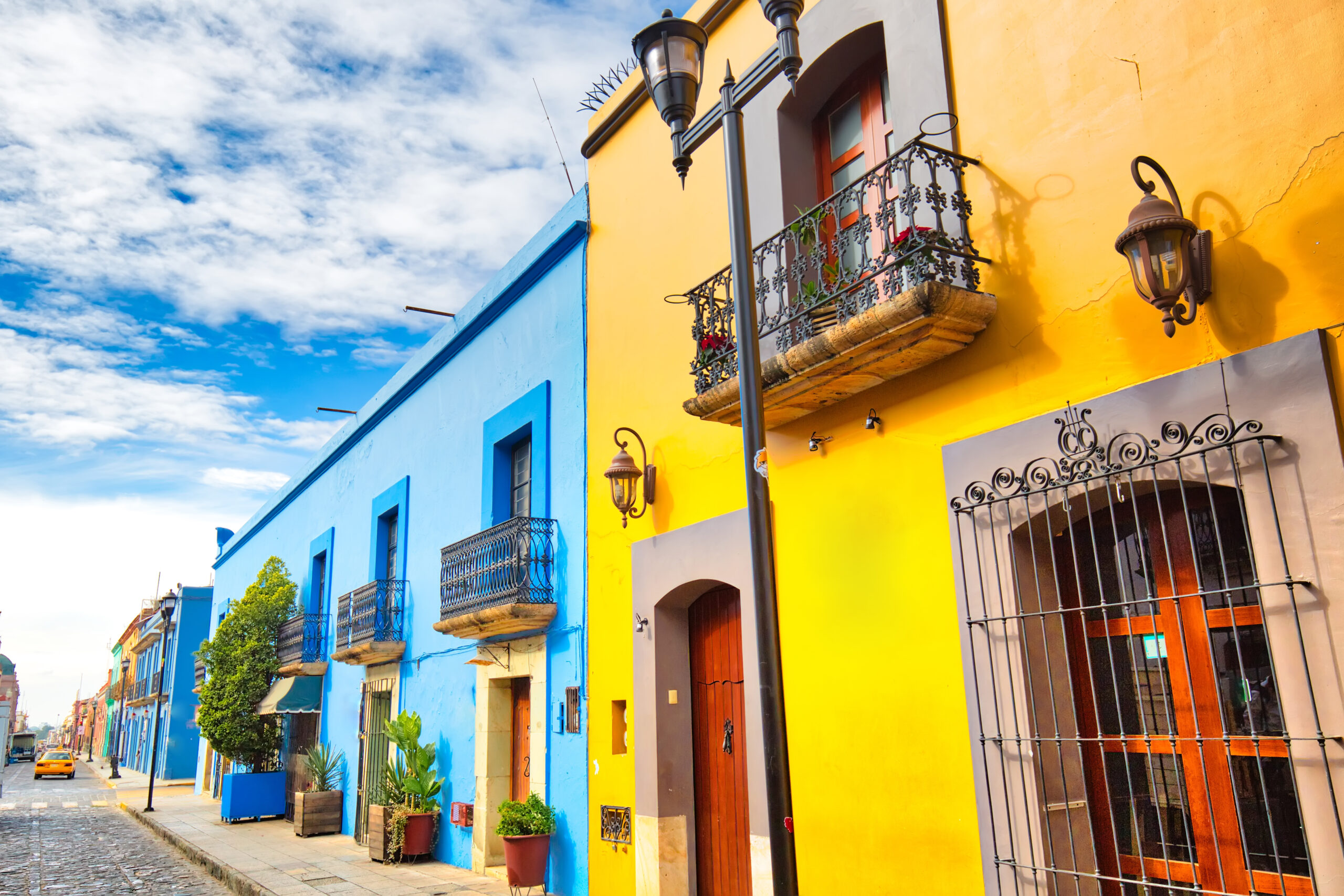
Oaxaca City. Scenic old city streets and colourful colonial buildings in historic city centre.
The last time I was in Oaxaca, Mexico was 25 years ago. At the time, I was a correspondent with the Financial Times of London, based in Mexico City, and I flew down to the southern state with some friends to sample the famous mole and dabble in my favourite pastime – wandering through markets and discovering talented artisans.
The trip did not disappoint. As a journalist I had visited 29 of Mexico’s 31 states, all of which are fascinating in their own right. But Oaxaca stood out for the depth and richness of its Indigenous-infused art and cuisine. I bought two beautiful hand-woven rugs, coloured with natural dyes made from indigo, marigold flowers and cochineal, a reddish parasite that grows on cacti, which I have to this day.
So when it came time to choose a new destination for my small group travel company, karibu adventures, Oaxaca seemed like a natural fit. It had so much of what I look for; a vibrant local culture, great food and natural, wild beauty.
But what would it be like all these years later? I decided to visit, and what I found left me even more captivated than the first time.
Oaxaca’s Indigenous Culture: A Living Identity
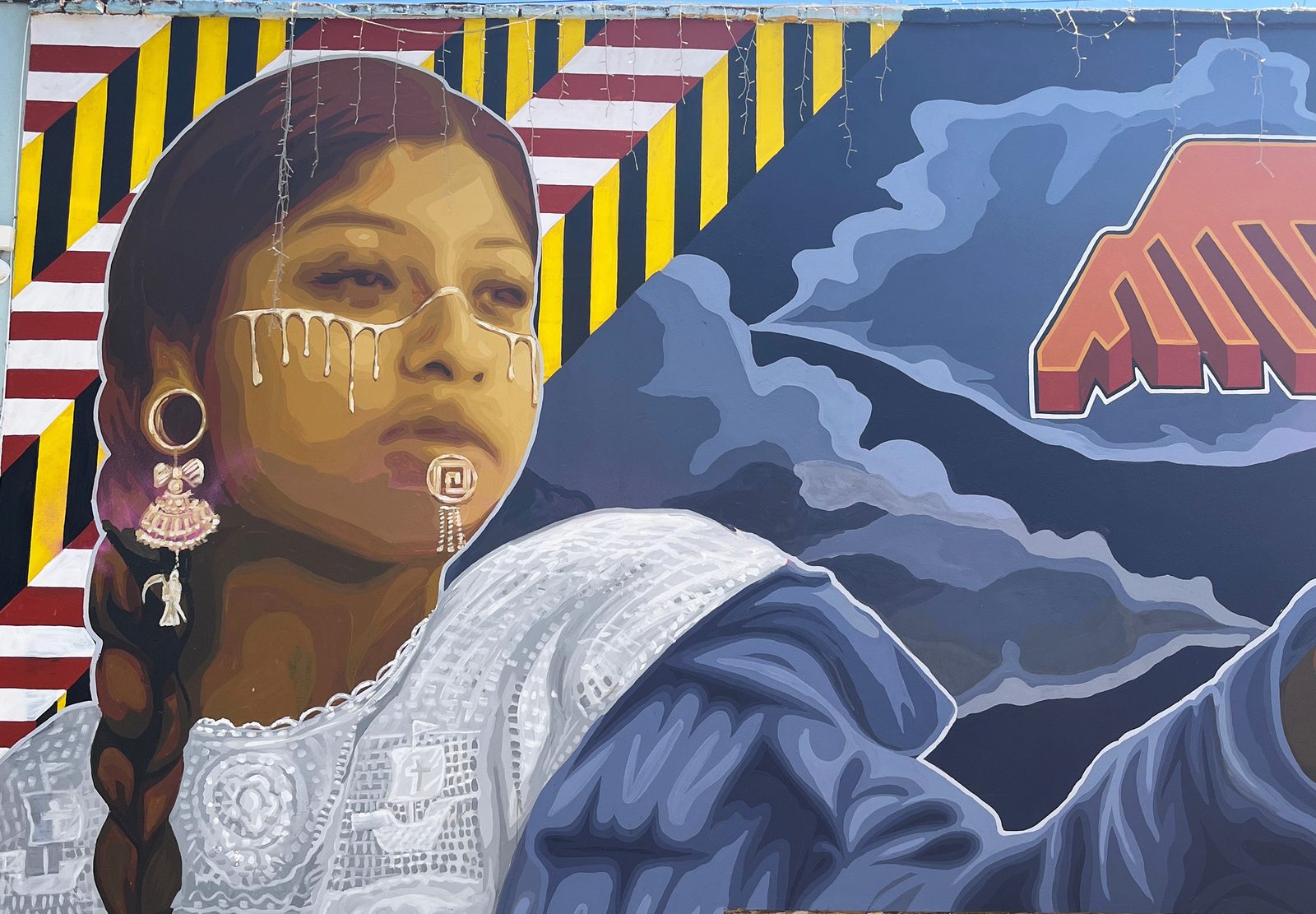
Street murals are commonly seen in Oaxaca City, part of its vibrant art scene.
To begin with, there are two elements that play a formative role in understanding Oaxaca’s richly textured identity and way of life. The most foundational is the fact that some 65% of the population – a mix of Zapotec, Mixtec and 14 other recognized peoples – are governed by what are called “usos y costumbres” – traditional Indigenous self-governing laws and customs.
This is transgressive for Mexico, which, since its Revolution of 1910 has tried to carve its national identity around the concept of mestizaje, or racial and cultural blending. Codified into law in 1995, usos y costumbres has served as a bulwark against assimilation, strengthening Indigenous pride, sense of identity and self-reliance.
The second element, which in many ways is an outgrowth of the first, is an embrace of the arts and the honing of artisanal practices, from textiles, pottery and woodworking, to contemporary lithographs and street art infused with magic realism and ancient Indigenous symbolism.
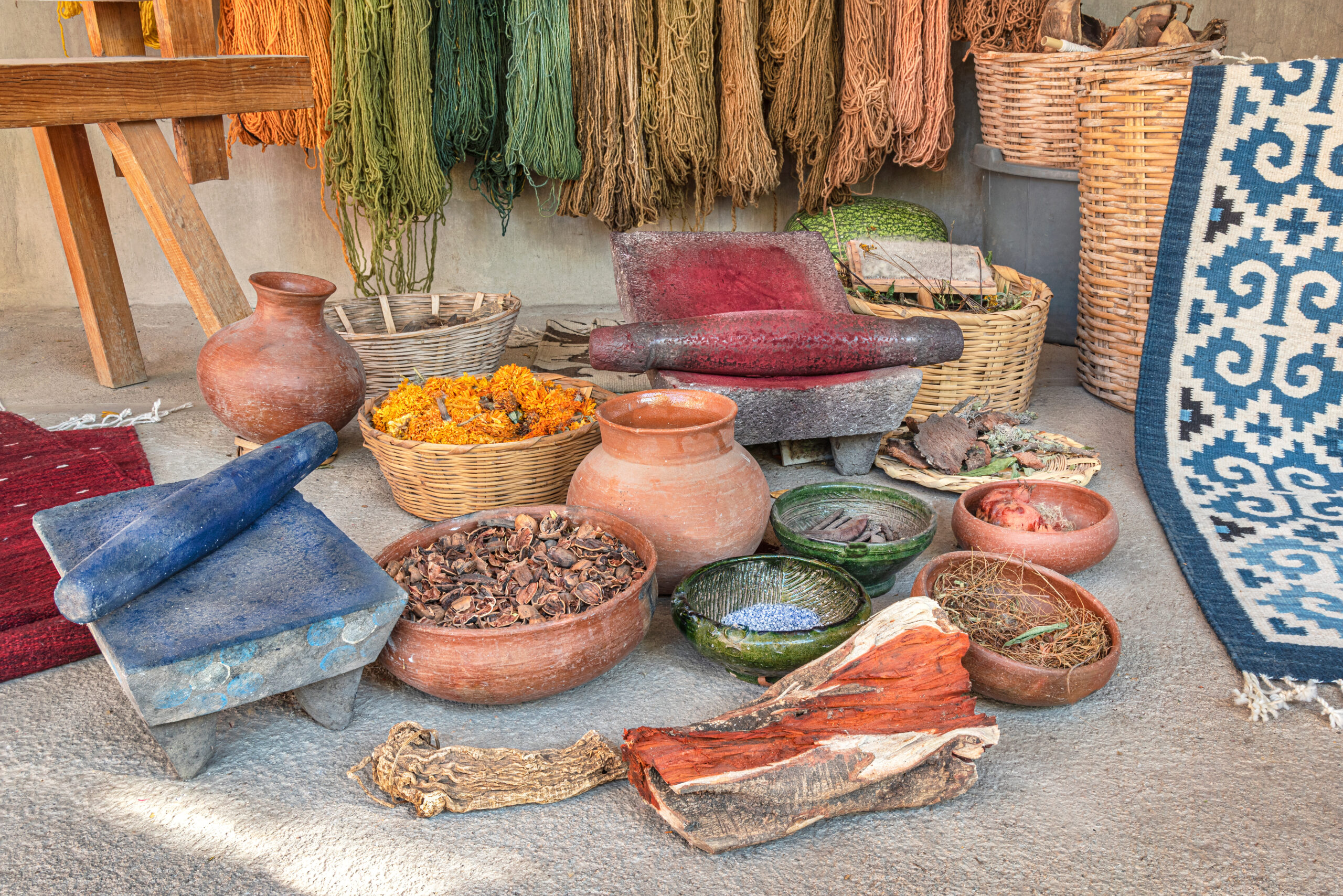
Natural colourants or tints used to make colourful fabrics
Francisco Toledo and Oaxaca’s Art Scene
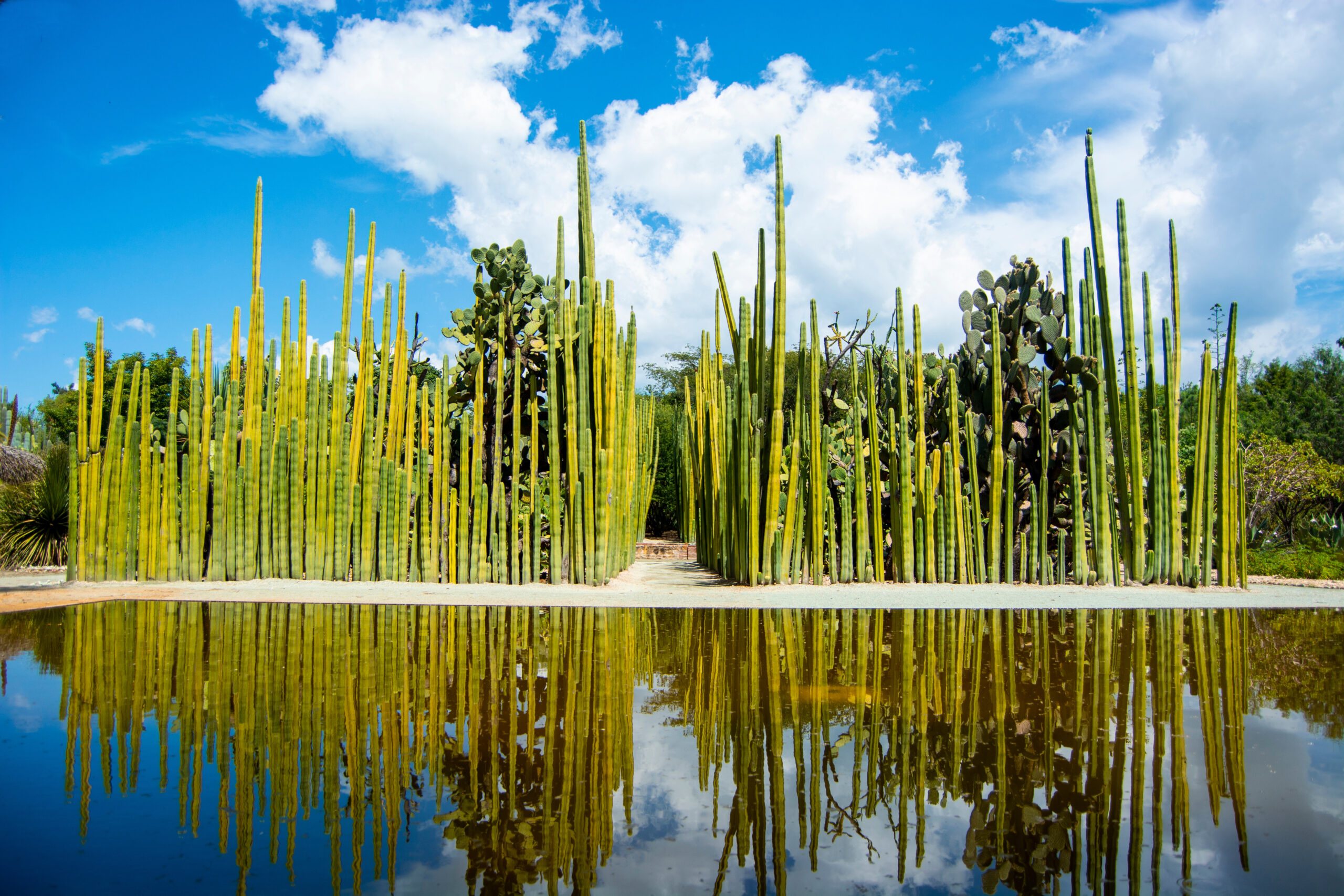
Oaxaca’s magical ethnobotanical garden, conceptualized by artist Francisco Toledo.
The most recognized face of the art movement known as the “Oaxaca School,” is Francisco Toledo, who left his imprint on the capital city, applying his earthy aesthetic to designing its famed ethnobotanical garden to restoring and converting historic colonial sites into museums and art institutes.
Considered one of the most prolific master printmakers in the Americas, Toledo helped establish Oaxaca as a centre for etching and lithography, with galleries and print shops peppering the city. He also was a crusader against mass market globalization, famously leading a campaign to stop McDonald’s from opening in the city’s colonial centre, arguing that Oaxaca’s food was a form of “intangible cultural heritage” worth protecting.
Oaxaca Today: Food, Art and Cultural Pride
Toledo died in 2019, but his legacy, along with 30 years of Indigenous self government has invigorated the Oaxaca I remembered. Returning all these years later, I was struck by the dynamism of the food and art scene; young Indigenous chefs transforming ancient ingredients into eclectic dishes; once humble workshops employing whole communities and producing worldclass pieces that sell for tens of thousands of dollars.
And while the state is still one of the poorest and largest sources of migrants to the US, relying heavily on remittances, I met several young Oaxacans who had chosen to return home from Los Angeles, eager to embrace their Zapotec heritage, return to their land and build businesses.
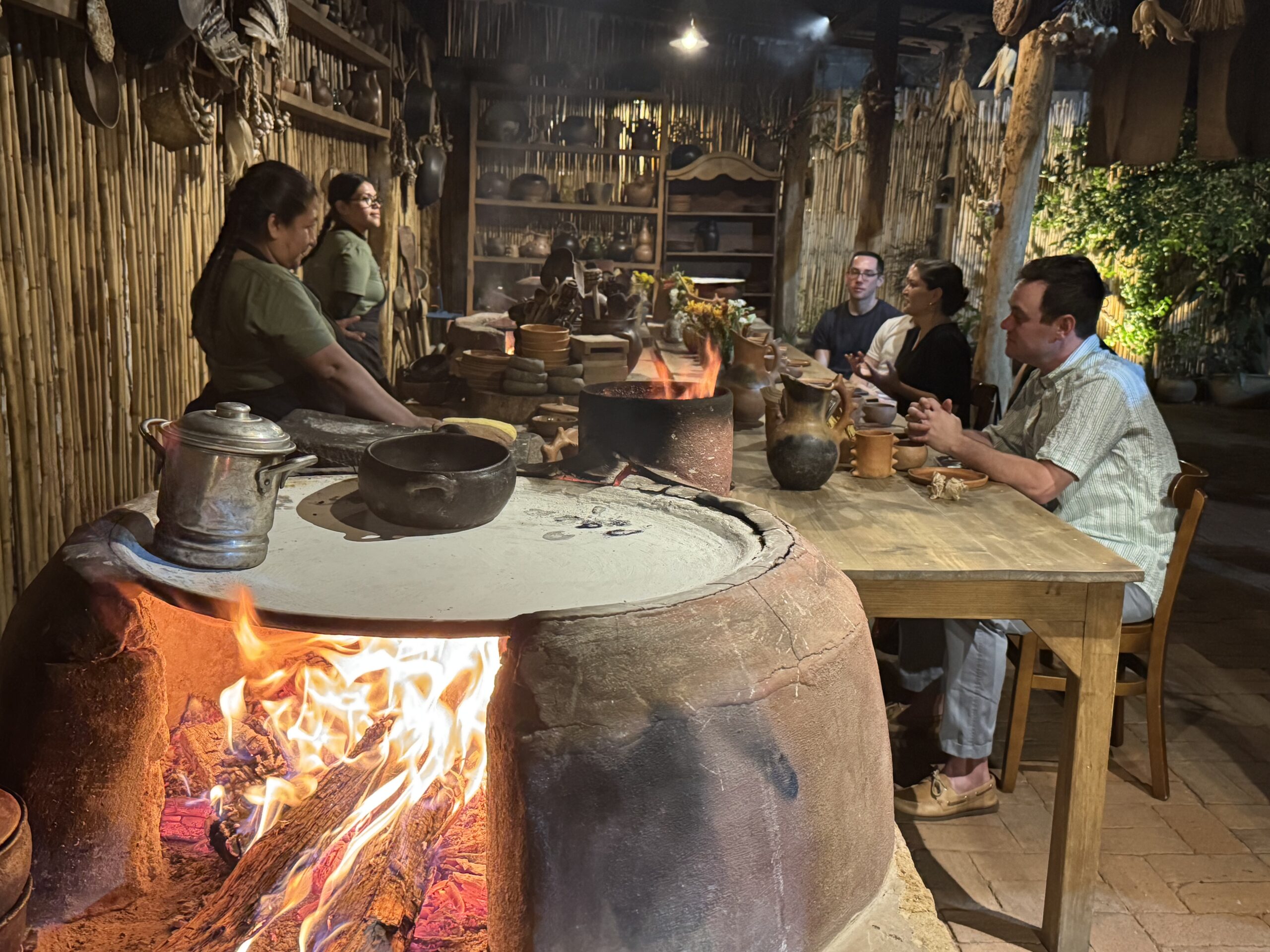
Oaxacan restaurant with big fire cooker, known as a comal.
Hiking Oaxaca’s Sierra Norte
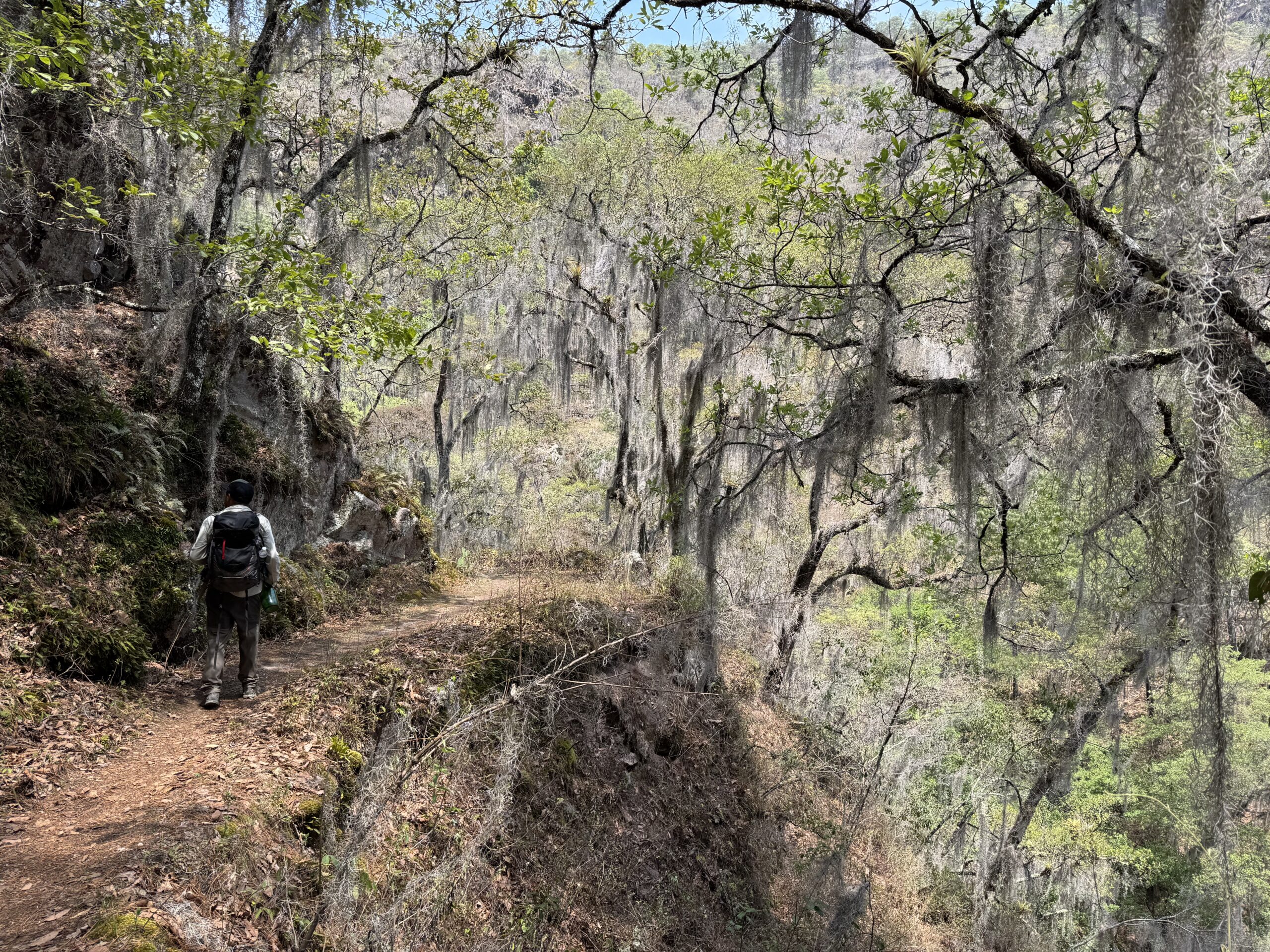
Hiking the Camino Real (royal road) in the Sierra Norte mountains.
I spent four days hiking with one of them, Celestino, through the Sierra Norte Mountains. He had spent years documenting, for the first time, its flora and fauna, in an effort to raise awareness among Zapotec communities of the value of protecting one of Mexico’s most biodiverse regions.
We walked through an ever-changing landscape of cloud forests draped in moss and bromeliads, towering Mexican pine trees, giant spiked agaves and dozens of orchid species. We passed farmers working their milpas (plots of maize, beans and squash), lunched with local home cooks and overnighted in villages that, while modest, were meticulously clean.
There is a clear sense of pride and ownership that is impressive to see, not only in some of the remote villages, but in the craftsmanship of everything from the mezcal to the pottery. Mexicans have always stood out to me for their aesthetic sensibility, and they have definitely elevated it to a new level in Oaxaca, while still managing to keep it real.
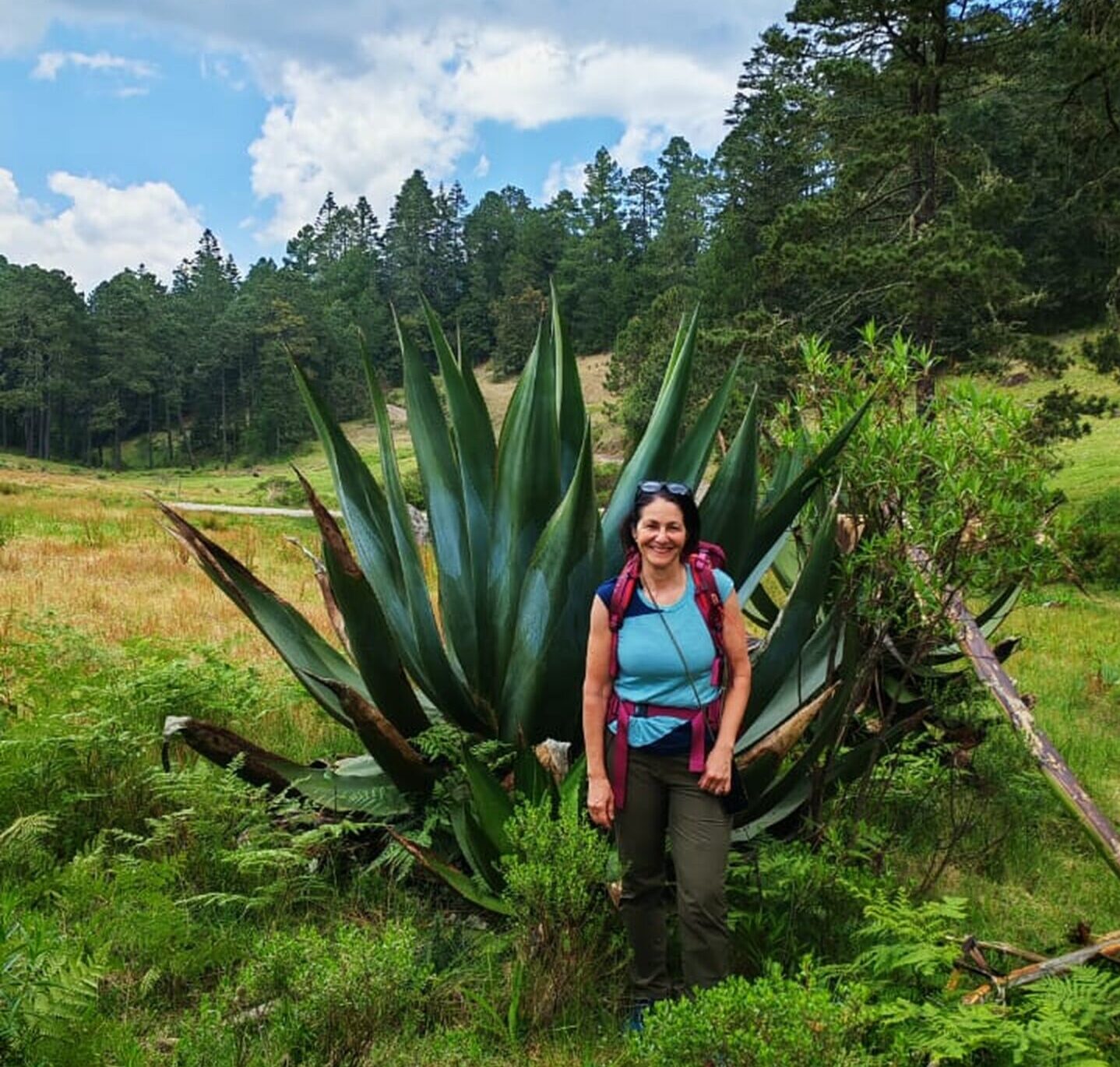
karibu founder, Andrea Mandel-Campbell, next to an agave plant.
Experience Oaxaca with karibu
Explore our Oaxaca small group adventure, combining hiking in the Sierra Norte with the region’s remarkable food, art and Indigenous culture.