
There’s a reason Dominica is known as the Nature Island of the Caribbean. With its volcanic peaks, dense rainforests, cascading waterfalls, natural hot springs, and extraordinary marine life, this small island offers a very different kind of Caribbean holiday.
But when exactly is the best time to visit?
For most travellers, December through April is the best time to visit Dominica, when rainfall is generally lower and conditions are more favourable for exploring the island’s natural attractions. However, Dominica is a year-round destination, and the best time to go ultimately depends on what you want to experience.
At karibu adventures, we return again and again to Dominica as part of our eight-day Dominica hiking and adventure tour. Through our travels, we’ve learned that timing can make a big difference in how the destination feels, particularly on an island where so many of the best experiences happen outdoors.
Below, we share our expert takeaways on Dominica’s weather, seasons, and cultural experiences, along with a month-by-month breakdown to help you decide when to visit.
Dominica weather and climate: What to expect
Located between Guadeloupe and Martinique in the eastern Caribbean, Dominica has a tropical climate characterized by warm temperatures, humidity, and rainfall throughout the year.
According to the Dominica Meteorological Service, the island experiences two main seasons:
- Dry season: December to May
- Rainy season: June to November
May and November are transitional months, meaning conditions can vary as the island moves between its wetter and drier periods. However, it’s important to keep in mind that weather conditions can vary considerably depending on where exactly on the island you are. Dominica’s mountainous interior receives significantly more rainfall than some coastal areas, and the northeastern coast is generally wetter than the sheltered southwestern coast.
When it comes to your packing list, travellers can expect relatively consistent temperatures throughout the year, with daytime temperatures commonly reaching the high 20s to low 30s Celsius (approximately mid-80s to upper 80s Fahrenheit).
Visiting Dominica during the dry season: December to May
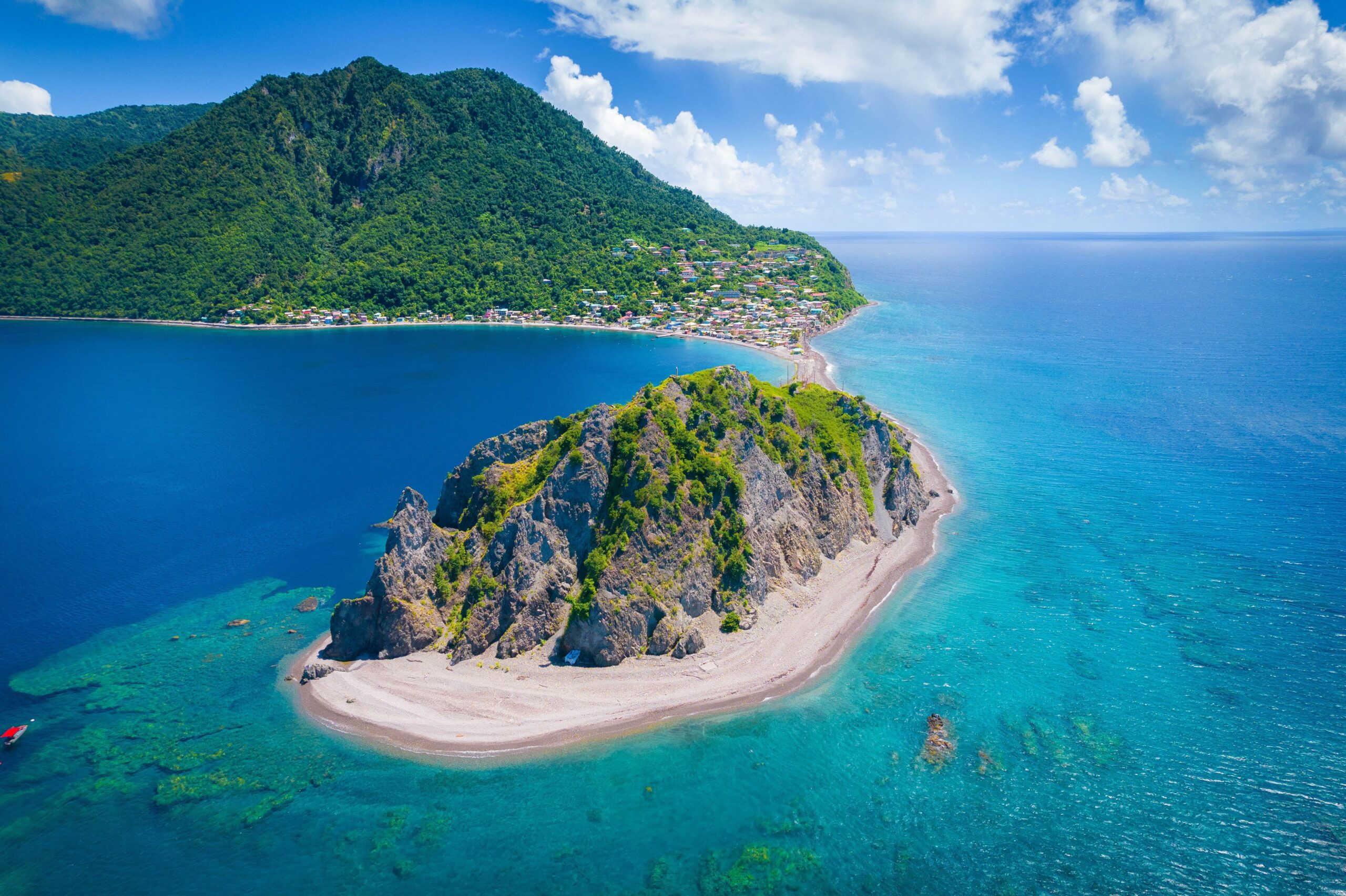
Best for: Diving, kayaking, snorkelling, whale-watching, hiking
December to February: Comfortable conditions and especially good for diving and whale-watching
As the wetter season gives way to drier weather, December marks the beginning of one of Dominica’s most appealing travel periods, particularly for travellers hoping to explore the best things to do across Dominica’s natural attractions.
For travellers looking to explore the island in December, it’s worth noting that it tends to attract a surge of visitors around Christmas and New Year’s, so it’s worth booking accommodations and guided experiences far in advance if you plan on visiting during this time.
January and February are particularly attractive for travellers hoping to experience the island’s abundant outdoor adventures thanks to lower rainfall and more favourable trail conditions. It’s also an excellent time to explore the island’s underwater landscapes, including the colourful marine life surrounding the Soufrière-Scott’s Head Marine Reserve.
Dominica is also one of the few places in the world with a resident population of sperm whales. While sightings are possible year-round, January and February are particularly appealing months for whale watching, thanks to generally favourable weather and sea conditions.
March and April: Some of the best months for outdoor hiking and adventures
March and April generally offer some of the driest conditions of the year, making them especially appealing for hiking, canyoning, and exploring waterfalls.
For travellers planning to tackle some of Dominica’s most memorable adventures, including the challenging trek to Boiling Lake, the rainforest trails leading to Middleham Falls, and guided canyoning excursions near Titou Gorge, lower rainfall can mean less mud, fewer slippery surfaces, and more manageable trail conditions.
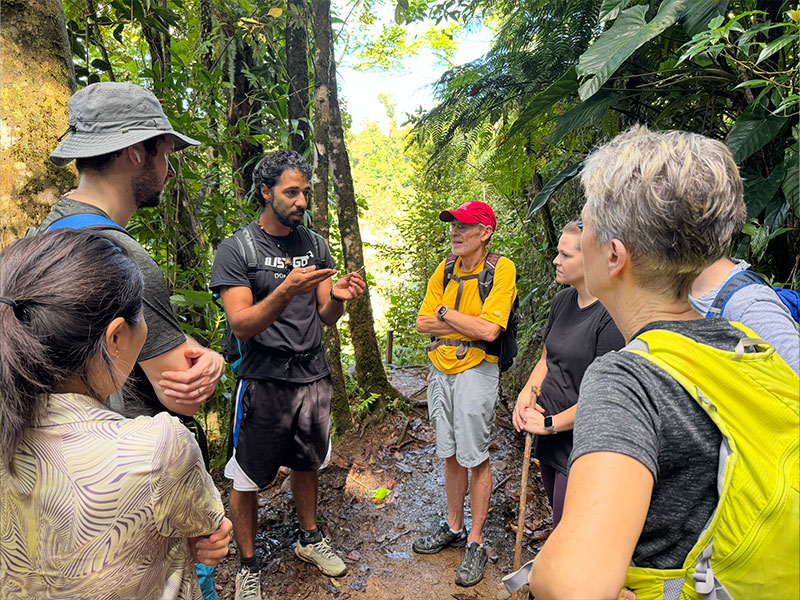
However, Dominica’s rainforest environment can still be unpredictable in any season. Weather can change fast on the island, so please consider experienced local guides on challenging hikes. If you’re interested in hiking with knowledgeable experts, our eight-day Dominica hiking and adventure tour works with local guides who understand the terrain and help navigate the island safely.
May: A quieter time to explore
May is a transitional month, bringing warmer temperatures and increasingly frequent showers as the rainy season approaches. Coming at the tail end of the dry season, some parts of the island may look a little less lush than they do during the wetter months, but it can still be a rewarding time to visit.
As the peak winter travel season winds down, visitors may find more competitive accommodation rates, quieter hiking trails, and fewer crowds at popular attractions. The increasing rainfall also brings greener landscapes and impressive waterfalls. For travellers who don’t mind the occasional rain shower, May offers an appealing balance of adventure, value, and a more relaxed pace.
Visiting Dominica during the rainy season: June to November
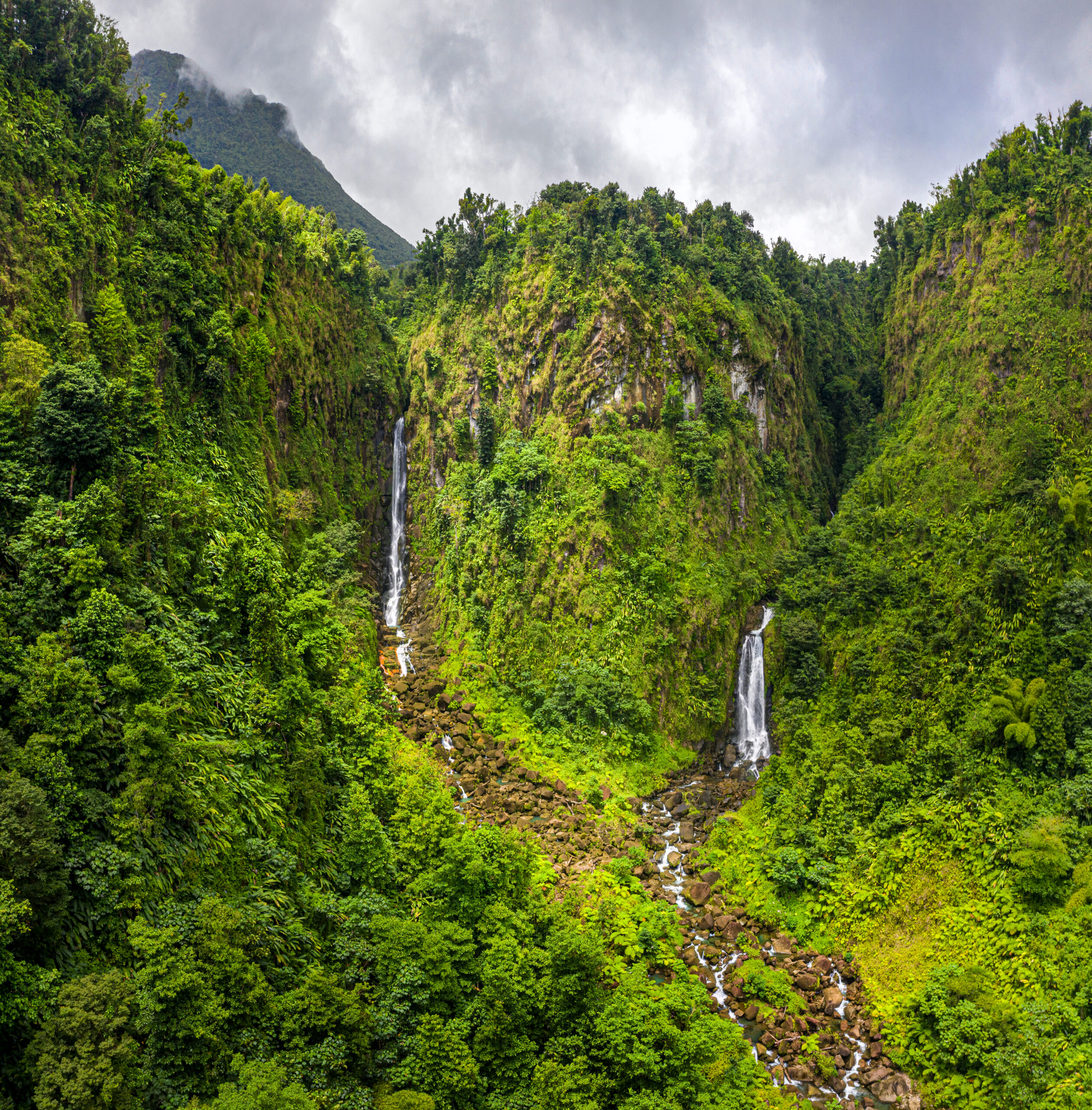
Best for: Diving, kayaking, snorkelling, whale-watching, hiking
June and July: Increasing rainfall and greener landscapes
As the rainy season begins, temperatures remain warm, but rainfall generally becomes more frequent with an increased likelihood of tropical storms.
This is also when the island’s rainforests are particularly lush and its waterfalls can be especially dramatic.
Outdoor activities are still possible when conditions permit, although travellers should allow greater flexibility in their plans. Ultimately, these months can be an appealing period for those interested in Dominica’s landscapes and local culture rather than an itinerary built entirely around challenging hikes.
August to October: The wettest and most unpredictable period
August, September, and October require particular consideration when planning a trip to Dominica. These months fall within the most active part of the Atlantic hurricane season, when the risk of severe tropical weather is generally higher.
September is also historically one of the wettest months in some parts of the island, according to the Dominica Meteorological Service’s climate records.
Because heavy rainfall can make hiking trails slippery, increase river levels, and impact driving conditions, visitors may find that some excursions need to be postponed or cancelled last-minute due to weather conditions. Travellers visiting during this period should monitor forecasts closely, purchase appropriate travel insurance, and remain flexible.
November: A transition towards drier weather
November marks the final month of the Atlantic hurricane season. Rainfall can still be substantial, but conditions generally begin transitioning towards the drier months ahead.
For travellers interested in nature and exploring the island without the peak winter crowds, late November is certainly worth considering.
Best time for cultural festivals and annual events in Dominica
[IMAGE HERE]
Dominica’s festival calendar offers plenty of reasons to plan a trip beyond the island’s most favourable weather months. From music and traditional Creole celebrations to organized hikes through the rainforest, annual events showcase a different side of the destination:
Dominica Carnival (January to March, depending on the year): Known as Mas Domnik, the island’s Carnival brings local music, vibrant Creole cuisine, and a celebration of colour to the island in the weeks leading up to Ash Wednesday. However, this celebration is not for the weary. Travelers should note that the crowds of people and noise can be intense, with accommodations being very difficult to find.
Jazz ‘n Creole (May): Held at historic Fort Shirley in Cabrits National Park, this open-air music festival blends jazz with Caribbean and Creole influences.
Dominica Hike Fest (May): A celebration of the island’s extraordinary hiking opportunities, with organized hikes that invite participants to explore Dominica’s trails and natural landscapes.
World Creole Music Festival (October): One of Dominica’s signature annual events, this three-day festival brings together performers celebrating Creole and Caribbean music, from bouyon and zouk to kompa and soca.
Independence and Creole celebrations (September to November): Dominica’s Independence festivities culminate on November 3, with weeks of cultural events that include traditional music, dancing, national dress, food, and celebrations of Creole heritage.
For updated dates and event details, consult the official Discover Dominica festivals and events calendar.
When is hurricane season in Dominica?
The Atlantic hurricane season officially runs from June 1 through November 30.
According to the U.S. National Hurricane Center, tropical cyclone activity across the Atlantic basin typically peaks around September 10, with the most active period generally occurring from mid-August through mid-October.
For travellers, the important thing to understand is that hurricane season doesn’t mean a storm will occur during every visit. However, the possibility of severe weather can affect flights, accommodation, road access, and outdoor activities.
If you’re planning to visit between June and November, we recommend:
- Monitoring forecasts from the Dominica Meteorological Service and the U.S. National Hurricane Center.
- Purchasing travel insurance that covers relevant weather-related disruptions.
- Building flexibility into your itinerary.
- Following local guidance about hiking, swimming, and river conditions.
- Avoiding remote trails and water-based activities during severe weather.
For more practical information about travelling responsibly and navigating the island’s natural attractions, read our Is Dominica Safe to Visit? guide.
How to get to Dominica: Entry and exit requirements for U.S. and Canadian travellers
Before travelling to Dominica, it’s important to review the latest entry requirements:
Online immigration form
Dominica has introduced an electronic immigration and customs declaration system for travellers arriving on the island. Visitors can complete the required information through the official Dominica Online Immigration and Customs Declaration portal within three days before arrival.
Travellers should review the portal’s instructions before departure and retain their confirmation for presentation upon arrival.
U.S. citizens
According to the U.S. Department of State:
U.S. tourists generally do not require a visa for stays of six months or less.
Travellers need a passport that is valid at the time of entry, with at least one blank page.
Additional documentation may be required when travelling with children, particularly when only one parent accompanies them.
Travellers should also confirm any requirements for proof of onward travel and the latest immigration procedures before departure.
Canadian citizens
According to the Government of Canada:
Canadian tourists do not require a visa for stays of up to six months.
Passports must be valid for the expected duration of the stay.
Travellers must present proof of onward travel or a return ticket.
A departure tax of EC$86 applies when leaving Dominica by ferry.
Because entry requirements can change and airlines may impose additional passport-validity conditions, check the official government guidance shortly before travelling, particularly if you’re connecting through another Caribbean destination.
Important government resources
For U.S. travellers:
- U.S. Department of State: Dominica travel advisory and entry requirements
- U.S. Embassy in Barbados, which provides consular services for U.S. citizens in Dominica
For Canadian travellers:
- Government of Canada: Travel advice and advisories for Dominica
- Canadian consular assistance for Dominica, provided through the High Commission of Canada in Barbados
There is no resident Canadian government office in Dominica, so knowing how to reach consular assistance before your trip is particularly useful.
Explore Dominica with karibu adventures
Dominica isn’t your typical Caribbean holiday destination.
It’s a place where some of the most memorable experiences require muddy hiking boots, a willingness to venture beyond the beach, and an appreciation for the natural and cultural landscapes that make the island so extraordinary.
And while timing your visit can help you make the most of those experiences, travelling with knowledgeable local guides can make just as much of a difference. That’s why, on our eight-day Dominica hiking and adventure tour, we work with local experts to create an itinerary that brings together rainforest hikes, marine adventures, local Creole cuisine, and meaningful cultural encounters, all while prioritizing responsible travel and community-led tourism.
We’d love to help you experience Dominica our way. With purpose. Beyond the obvious. And all the while keeping it wild.